Exploring the effects of climate and environmental change
Climate change and changes in the natural world can sometimes feel distant – something happening elsewhere, or in the future. But their effects are already being felt much closer to home. They are shaping how people live, how communities function, and how systems respond.
At Barnwood, we work alongside disabled people and people with mental health conditions to build a fairer, more inclusive Gloucestershire. Through this work, we are increasingly seeing – and hearing – that climate and nature play a large role in shaping people’s lives.
Why this matters
Research undertaken by Impatience Earth shows that while environmental change affects everyone, it does not do so equally. Those already facing barriers are often more exposed to its effects and less well supported to adapt.
This can show up in different ways:
- homes that are too hot or too cold, which can make existing health conditions worse
- rising costs for energy, food and essentials, creating stress and insecurity
- disrupted routines, services and support, especially during extreme weather
These effects can also be felt emotionally – in anxiety about what lies ahead, or in the strain of systems that are already under pressure.
At the same time, nature can support wellbeing. Access to green and blue spaces, clean air and safe environments can improve both physical and mental health.
Why we explored this
Barnwood Trust has been a part of the Association of Charitable Foundation’s Funder Commitment on Climate Change for several years. In late 2025, we commissioned Impatience Earth to help us better understand how climate change is affecting disabled people and people with mental health conditions in Gloucestershire and what action might be possible.
Impatience Earth’s report is a starting point for us. It helps us set out what we are learning about the impact of climate change, and what role funders can play in supporting action. It brings together what we are hearing locally with a wider understanding of how climate, nature, disability and mental health are connected across the UK.
Our key takeaways
One of the clearest messages for Barnwood Trust is the importance of who is involved in shaping responses to this issue. Too often, the people most affected are not part of the conversation. But their experiences and ideas are essential if society are to create solutions that work in practice.
“This research sets out our society’s collective challenge, whilst also highlighting opportunities for funders, social change organisations, collectives and public sector organisations to collaborate, innovate and regenerate – all while centring lived experience in the design of this work. It is the opening paragraph in a complex story of change; a starting point that we feel compelled to share and discuss with our peers.“
Through our Access to Nature work, we’ve seen a strong interest to be part of a movement centred around equity in the nature sector, as well as an active network of people with lived experience driving change locally and shaping what this looks like in practice. There is passion and expertise in our local communities, if we are prepared to harness it. 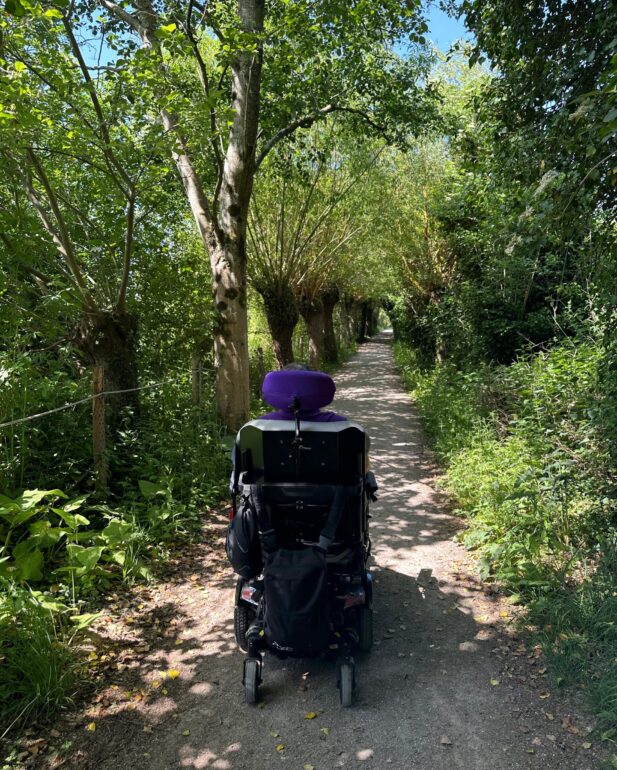
The research also suggests that funders like us can play an important role in making climate action more inclusive by supporting projects that involve disabled people, neurodivergent people and people with mental health conditions from the start. Dedicated funding and leadership from people with lived experience can help ensure climate responses work for everyone. This is something we are interested in exploring in partnership with other funders.
There is also a question of pace. The scale of the challenge can feel overwhelming, and change can feel slow. This challenges us to think about what more we can do – and how we can work with others to do it.
Continuing the conversation
We’re sharing this report because we think it can help shape an important and growing conversation.
“We want this report to spark new discussions about how we can make a difference collectively, collaboratively, and creatively.“
We don’t see this as a finished position, but as a starting point.
Get in touch
If you would like to have a conversation about this report or about the future of Barnwood’s work in this area, please get in touch with Eibhlish Fleming – Head of Impact at Eibhlish.fleming@barnwoodtrust.org